FAQs
5
6
Is “ethical” training the same thing as “positive reinforcement” training?
1
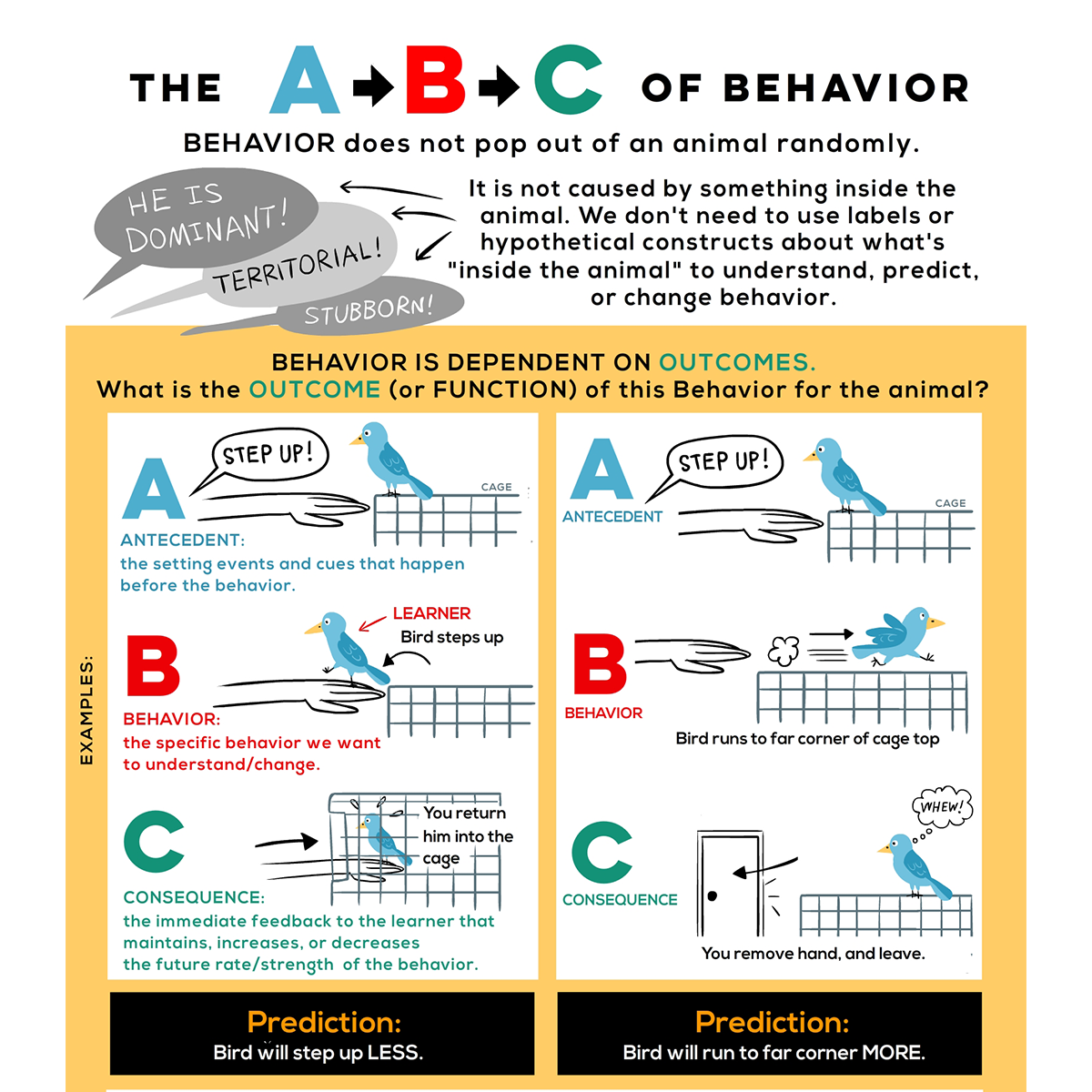
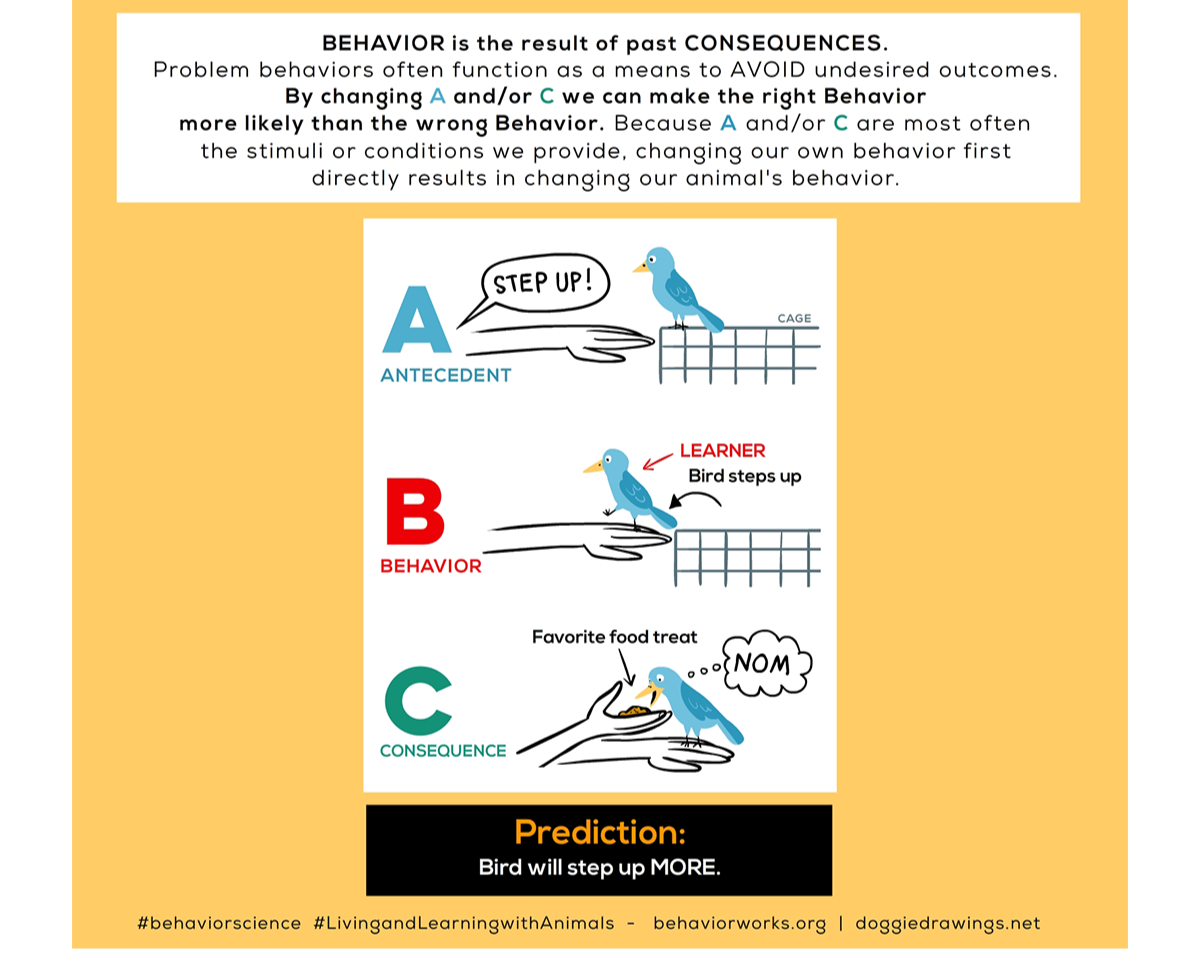
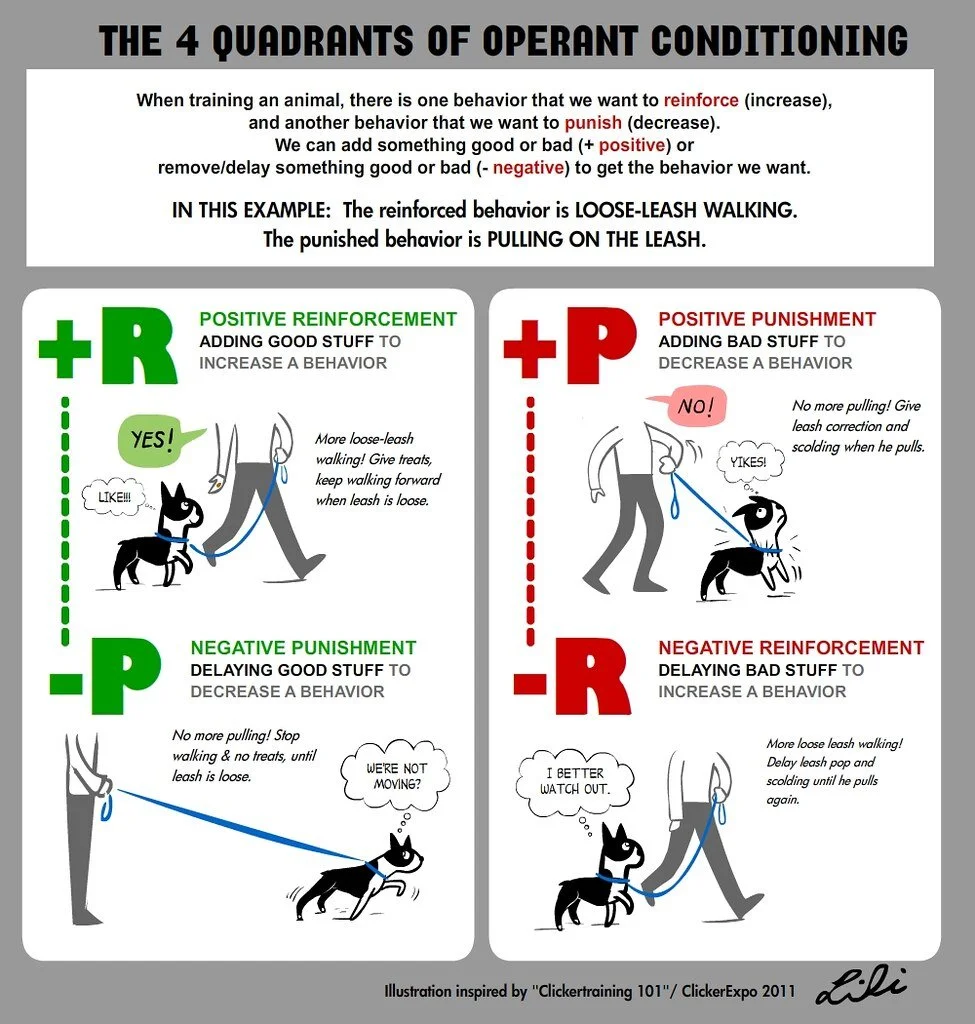
Positive reinforcement is an important tool in training in general. It is one of the four major quadrants of operant conditioning. It does not in itself constitute, nor is it inherently, ethical training. There are unethical applications of positive reinforcement and there are methods of ethical training that are not positive reinforcement. Coming from my own personal ethics, I do not use aversive tools or techniques in my training. I will never train with a prong collar, shock collar, choke chain, etc. I respect every clients decision to use whatever tools they feel most comfortable with when it comes to their own pets, and I will never force someone or shame someone into changing their tools, especially when there is a safety aspect involved. If I come across a situation in which I am being asked to cross an ethical line, I will politely express that and decline to continue working under those specific circumstances.
Ethical training asks not just “can we?” but “should we?” And if we should, “how?”
There is no simple answer. I think the most ethical route to training involves always trying to do better, always being open to new ideas, and approaching problems from a compassionate place.
What is ethology?
2
“Ethology, traditionally, is the study of animal behavior in their natural habitat. Right off the bat, you can see the obvious implication for, ‘Okay, but is captivity a dog's natural habitat?’ If you have a domesticated and captive species, it gets complicated.
That's why there's the field of Applied Ethology, which is my background, that's specifically looking at animals that are under some form of human control, whether it's domestication, captivity, or both. And so it gets messier, but all the principles of ethology are still there, ethology being studying animal behavior within the framework of evolution and all of the other natural laws and functioning principles.”
- Kim Brophey on the Fenzi Dog Sports Podcast
Can my cat be trained?
3
How does your pricing work?
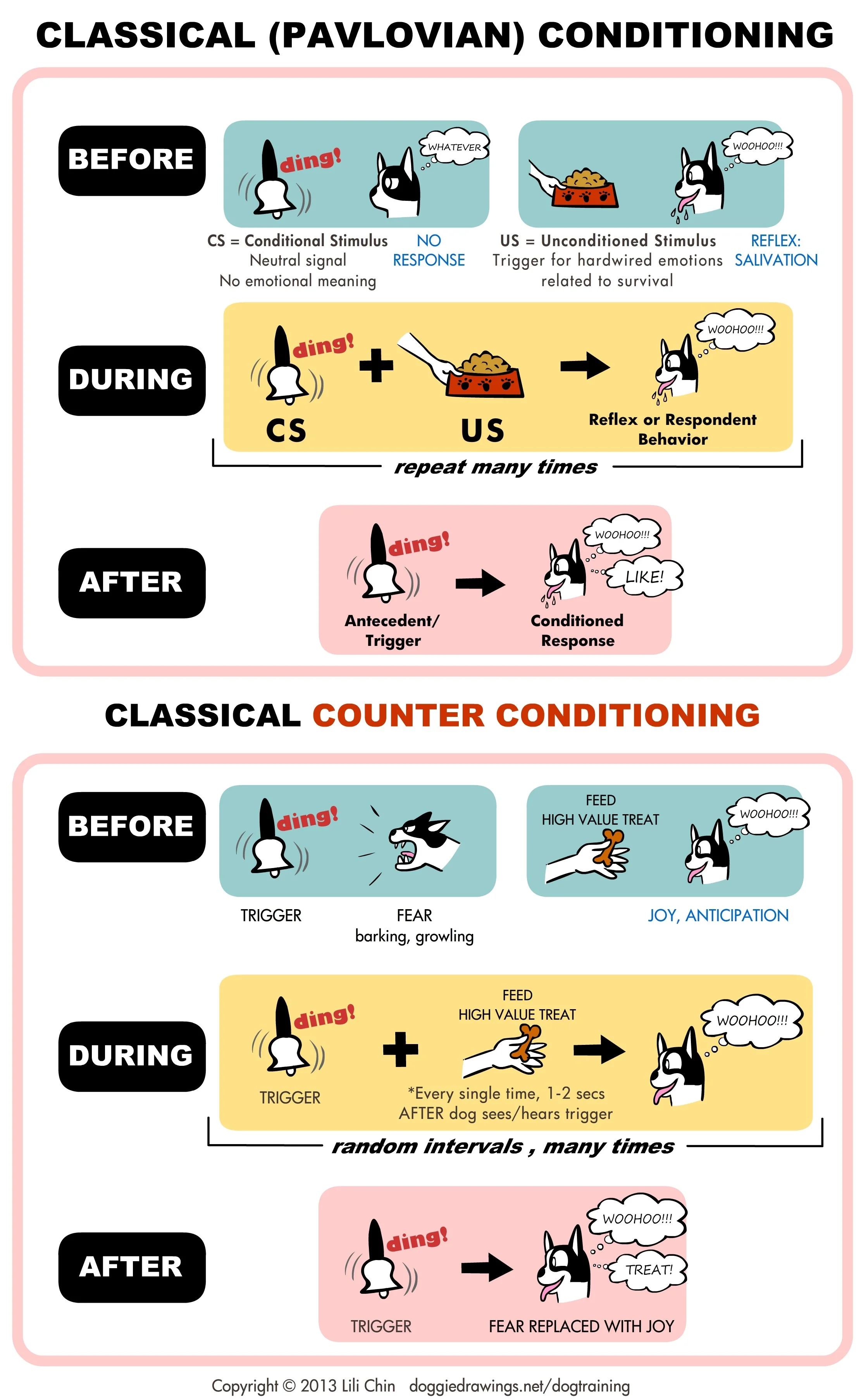
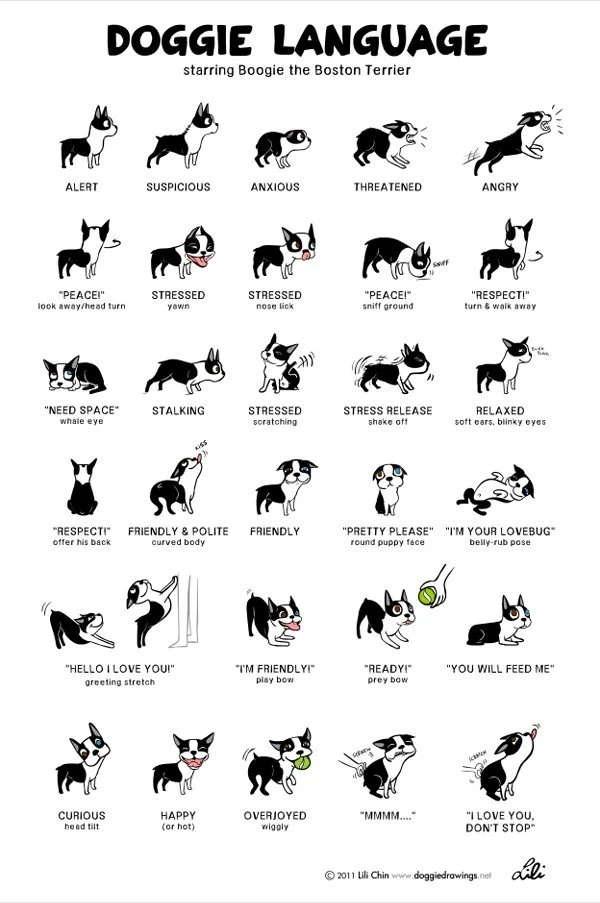
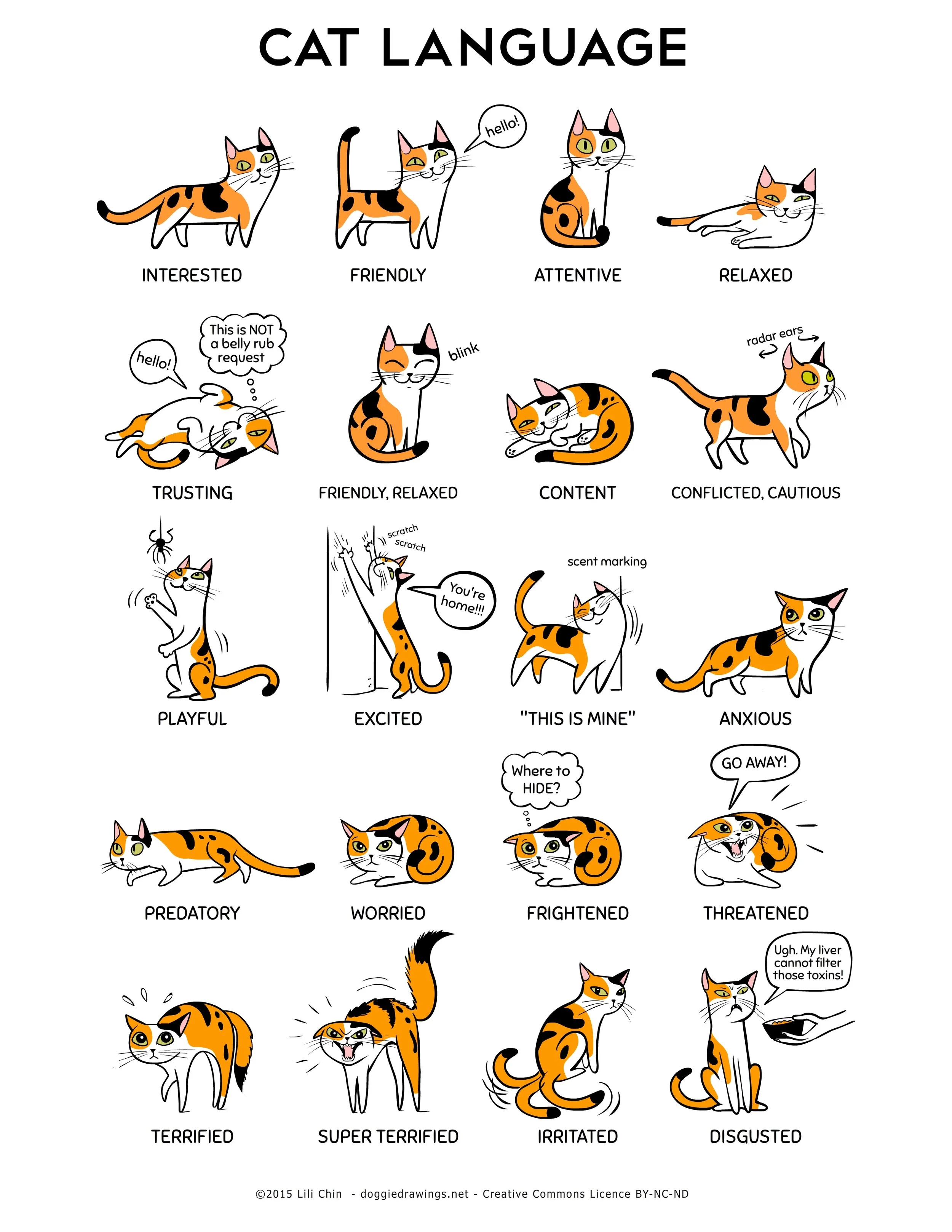
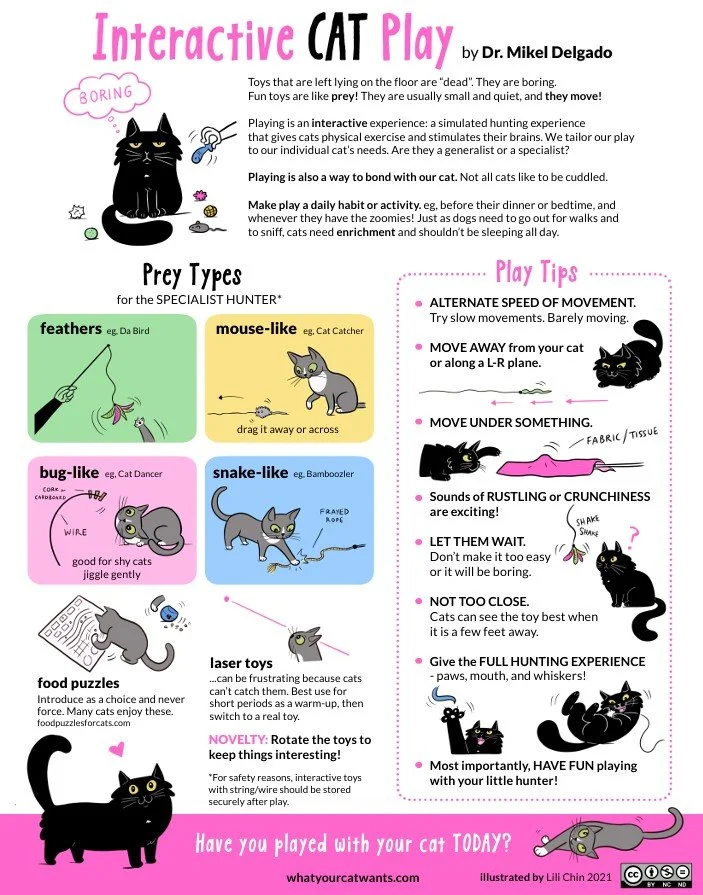
Yes! All animals learn through operant and classical conditioning, which we can harness to train them. The main differences between training a cat and training a dog are the species specific ethology, body language/modes of communication, and common learning histories.
I am currently booking clients Monday-Friday, 9am-5pm.
I do my best to be accommodating and flexible while maintaining a healthy work/life balance.
I generally let people know that they should be thinking in terms of months and years, not days and weeks. In reality, training never stops. Animal’s learn for the entirety of their lives, and that’s really all training is, harnessing that natural learning.
That being said, the length of time it takes for an animal to learn a new behavior or phase out an old one depends on a variety of factors:
How responsive the learner is
How skilled the teacher is
How consistently training is applied
Management of environment and needs being met
Difficulty of the behavior being taught
Severity of emotional response connected to behavior
Number of triggers
Medical conditions
… and more
It is really up to the humans of the household to implement the changes I suggest and practice the exercises I teach, if the household wants to see behavior change. This means some people might only work with me for 3-5 lessons and take off from there on their own. Others I work with for years, meeting one goal after the next or making progress on complex behavior cases.
The standard rate listed applies to card payments.
A preferred rate is available for payments made via Venmo, Zelle, cash, or check.
Zelle: alyson-yoo
Venmo: @Alyson-Yoo
See also: Terms and Conditions
What does your availability look like?
4
How long will training take?
Foundational Resources